Majestic Calm or Hidden Anxiety? Understanding Stress in Your Maine Coon
- palicocoons
- Jun 5, 2025
- 9 min read

Maine Coons. The very name conjures images of majestic, gentle giants lounging serenely, their luxurious fur flowing around them. And while it's true that these magnificent felines often possess a wonderfully laid-back and friendly nature, it's important to remember that just like any living creature, they can experience stress. As a dedicated Maine Coon breeder, I understand the deep bond you share (or will share!) with your furry companion, and recognizing when they're feeling out of sorts is a crucial part of providing the best possible care.
Ignoring subtle signs of stress can lead to more significant behavioral or even physical issues down the line. By becoming attuned to your Maine Coon's unique communication style, you can intervene early, alleviate their discomfort, and strengthen your bond built on trust and understanding. We will delve into the various behavioral and physical cues that can indicate stress in your beloved Maine Coon.
Behavioral Changes Indicating Stress:
Hiding/Withdrawal: You might observe your usually sociable Maine Coon increasingly seeking refuge in quiet, out-of-the-way places like under beds, inside closets, or behind furniture. While they appreciate their alone time, a consistent pattern of hiding and avoiding interaction with family members or other pets can signal they are feeling overwhelmed and seeking security.

Increased or Uncharacteristic Vocalization: While Maine Coons are known for their gentle chirps and trills, a stressed cat may exhibit more frequent meowing, unusual howling sounds, or even changes in the tone and volume of their typical vocalizations. Pay close attention to the context of these sounds – is it a persistent, distressed cry rather than a happy greeting or a request for attention?
Changes in Litter Box Habits: A significant indicator of stress can be when a reliably litter-trained Maine Coon starts urinating or defecating outside their designated litter box. This can be a direct result of anxiety, feeling insecure about their environment, or even a way to mark territory if they feel threatened. It's crucial to rule out underlying medical issues with your veterinarian first.
Overgrooming: Observe your Maine Coon's self-grooming behavior. Excessive licking, chewing, or even pulling at their fur, particularly in specific areas, can be a common coping mechanism for stress and anxiety. This repetitive behavior can be their way of self-soothing, sometimes leading to noticeable bald patches or skin irritation.
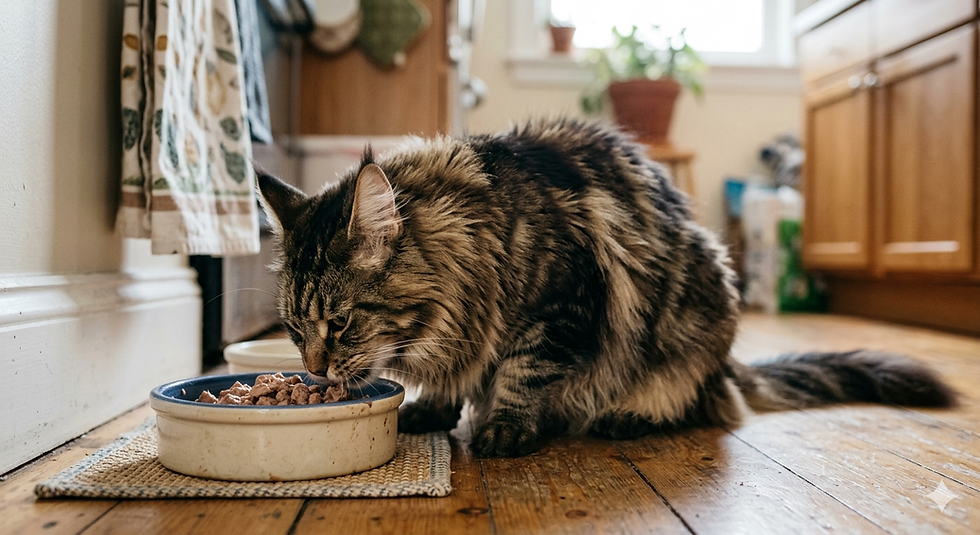
Decreased Appetite or Changes in Eating Habits: A sudden and persistent disinterest in their favorite food or a significant decrease in their overall appetite can be a clear sign of stress. Conversely, some cats may exhibit a sudden increase in appetite as a way to cope with anxiety. Any significant and unexplained change in their eating habits warrants close attention.
Changes in Playfulness: A usually active and playful Maine Coon who suddenly becomes withdrawn, lethargic, and uninterested in their toys may be experiencing stress. On the other hand, some stressed cats might exhibit increased agitation, restlessness, or become easily startled during play. These shifts in their normal playful behavior are important to note.
Aggression: While generally known for their gentle temperaments, a stressed Maine Coon might exhibit uncharacteristic aggressive behaviors such as hissing, swatting, growling, or even biting towards familiar pets or family members. When feeling threatened or anxious, their tolerance for interactions can significantly decrease.
Physical Signs of Stress:
Dilated Pupils: When a cat perceives a threat or is under stress, their sympathetic nervous system can trigger pupil dilation (mydriasis). This physiological response allows more light into the eyes, enhancing their vision to better assess potential dangers and prepare for a 'fight or flight' reaction. While excitement or dim lighting also cause dilation, consistently enlarged pupils in a well-lit, otherwise calm environment, especially when paired with other stress cues, can strongly indicate fear or anxiety. Always consider the full context and other behaviors.

Rapid Breathing or Panting: An increased respiratory rate or panting (open-mouthed breathing) outside of physical exertion or high heat is a significant indicator of distress in cats. Stress and anxiety trigger a physiological response that increases the body's demand for oxygen, leading to faster breathing. Unlike dogs, cats rarely pant, so if your Maine Coon exhibits this, especially alongside other signs of stress, it warrants immediate attention and a veterinary check-up to rule out both severe stress and underlying medical conditions like respiratory or cardiac issues.
Trembling or Shaking: Involuntary trembling or shaking is a more overt physical sign that your Maine Coon is experiencing significant fear, anxiety, or stress. This can be caused by an adrenaline surge and extreme muscle tension as their body is primed for a 'fight or flight' response. It indicates a high level of emotional distress and that the cat feels overwhelmed by their current situation. This sign should never be ignored.
Changes in Body Posture: A cat's posture is a primary way they communicate their emotional state. A stressed or fearful Maine Coon will often try to make themselves appear smaller and less conspicuous, or adopt defensive stances. Look for a hunched or crouched position, with their body held tense and rigid, head lowered, and tail held low or tucked tightly against or under their body. They might also press themselves close to the ground. These postures are an attempt to either avoid detection, protect vulnerable body parts, or signal appeasement in the face of a perceived threat.
Excessive Shedding: While their magnificent coats mean Maine Coons shed regularly, a sudden, acute increase in shedding (sometimes described as 'blowing their coat' outside of normal seasonal changes) can be a physiological response to stress. Stress hormones like cortisol can affect the hair follicles, causing them to release hairs more readily. If you notice a significant, unexplained increase in shedding, especially during or after a potentially stressful event and alongside other stress indicators, it's worth considering anxiety as a contributing factor.
Common Stressors for Maine Coons:
Understanding what might be causing your Maine Coon stress is key to addressing it. Common stressors include:
Changes in Environment: Cats are highly territorial and rely on a stable, familiar environment for their sense of security. Moving to a new home is a major upheaval, but even seemingly minor changes like rearranging furniture, introducing new items with unfamiliar scents (like new carpets or a guest's belongings), or the pervasive smell of strong cleaning products can disrupt their established scent markings and territorial map. This can leave your Maine Coon feeling disoriented, insecure, and anxious as they struggle to navigate a 'new' and unpredictable space.
New Pets or People: The introduction of a new animal or human fundamentally alters your Maine Coon's established territory and social dynamics. From their perspective, a newcomer can be seen as a competitor for resources like food, attention, and prime resting spots, or even a direct threat. This perceived challenge to their security and routine requires careful, gradual acclimation, as a rushed introduction can easily trigger fear, anxiety, defensive aggression, or hiding as they attempt to cope with the perceived invasion of their safe space.

Loud Noises: With their incredibly acute hearing, cats are far more sensitive to loud noises than humans. Sudden, unpredictable, or persistent sounds like thunderstorms, fireworks, nearby construction, loud music, or even raised voices in arguments can be intensely frightening. These noises can trigger a primal fear response, as they may be perceived as a sign of imminent danger, leading to hiding, trembling, or attempts to escape the overwhelming auditory assault.
Lack of Routine or Predictability: Maine Coons, often noted for their intelligence and connection with their human families, thrive on a sense of order and predictability. A consistent daily routine for feeding, playtime, grooming, and even when they can expect quiet time versus interaction, helps them feel secure and in control. Inconsistent schedules, irregular attention, or unpredictable changes in household activity can create chronic low-level anxiety, as they are unable to anticipate what happens next, leading to a pervasive feeling of insecurity.
Veterinary Visits: For many cats, a trip to the vet is a cascade of stressors. It often starts with the challenge of an unfamiliar carrier, followed by a disorienting car ride with strange movements and sounds, and culminates in an environment filled with the scents of other animals (some stressed or ill) and unfamiliar handling by strangers. This multi-pronged assault on their senses and feeling of control can make vet visits highly anxiety-inducing, requiring proactive steps to make the experience less traumatic.
Separation Anxiety: Maine Coons are often highly social and form strong bonds with their human families. For some, especially if not accustomed to being alone from a young age or if there's a sudden change in the household's schedule (like a return to work after a long period at home), prolonged periods of separation can trigger genuine distress and anxiety. Behaviors like excessive vocalization, destructive chewing or scratching, or urinating outside the litter box when left alone aren't acts of 'revenge,' but rather panicked expressions of their inability to cope with the solitude and perceived abandonment.
Tips for Minimizing Stress:
Creating a calm and secure environment is paramount for your Maine Coon's well-being:
Provide Safe Havens for Retreat and Security: Cats are instinctively programmed to seek out secure, often enclosed or elevated, spaces when they feel threatened or overwhelmed. By ensuring your Maine Coon has multiple readily accessible "safe havens" – like cozy covered beds, high perches on cat trees, quiet closets with familiar bedding, or even a simple cardboard box – you empower them with a sense of control over their environment. Having these retreats allows them to voluntarily withdraw from perceived stressors, self-soothe, and observe their surroundings from a secure vantage point, significantly reducing feelings of vulnerability and anxiety.
Maintain a Consistent and Predictable Routine: Maine Coons, like most cats, are creatures of habit and find immense comfort in predictability. A consistent daily routine for feeding, interactive play, grooming, and even your own arrivals and departures helps them anticipate events and feel secure in their environment. This predictability reduces anxiety associated with uncertainty, as they learn what to expect and when, fostering a stable emotional state and minimizing stress triggers related to an unpredictable world.
Ensure Robust Environmental Enrichment: Maine Coons are intelligent and active cats who thrive on mental and physical stimulation. Combat boredom-related stress by providing a rich environment. This includes a variety of engaging toys (rotate them to keep things novel), puzzle feeders that encourage problem-solving for treats or meals, ample vertical space such as tall cat trees and sturdy shelves for climbing and observation, and dedicated scratching posts in various materials and orientations to satisfy their natural scratching instincts. Regular interactive play sessions with you are also a crucial component of their enrichment.
Facilitate Gradual and Positive Introductions: A new pet or person in the household represents a significant change to your Maine Coon's established territory and social structure, which can be a major source of stress. Implementing slow, controlled, and positive introductions allows your cat to acclimate at their own pace without feeling overwhelmed or threatened. By associating the newcomer with positive experiences (like treats, praise, or gentle play) and never forcing interactions, you help them build positive associations and reduce the fear and anxiety that can lead to aggression or withdrawal, ensuring a smoother transition for everyone.
Utilize Positive Reinforcement Consistently: Positive reinforcement – rewarding desired behaviors with treats, praise, gentle petting, or play – is a powerful tool for shaping behavior and building a strong, trusting bond with your Maine Coon. When faced with potentially stressful situations like carrier training, grooming, or adjusting to new experiences, using positive reinforcement helps your cat associate these events with pleasant outcomes. This counter-conditions fear and anxiety, making them more confident and less stressed because they learn that cooperation or calm behavior leads to positive rewards, rather than punishment or fear.
Recognize and Respect Their Unique Personality and Sensitivities: Just like humans, every Maine Coon has a distinct personality, individual preferences, and varying tolerance levels for different stimuli. What one cat might find exciting or ignore, another might perceive as a significant threat or stressor. By carefully observing and understanding your specific cat's temperament – their likes, dislikes, what startles them, their preferred ways of interacting, and how they signal discomfort – you can tailor their environment and your interactions to minimize exposure to known stressors. This respectful awareness of their individuality is fundamental to preventing stress and ensuring they feel understood and secure in their home.
Consider Feline Facial Pheromone Products for a Calming Atmosphere: Cats naturally deposit facial pheromones by rubbing their cheeks on objects, marking their territory as safe and familiar. Synthetic feline facial pheromones (available as diffusers or sprays) mimic these natural "happy messages." Using these products in your Maine Coon’s environment can help create a continuous sense of security and reassurance, especially during times of change or stress (like moving, new pets, or loud events). By signaling that the area is safe, these pheromones can help reduce anxiety-related behaviors and promote a calmer disposition.

When to Seek Veterinary Advice:
It's crucial to remember that some of the signs of stress can also indicate underlying medical conditions. If you notice persistent or severe stress signals, or if you're unsure about the cause of the changes in your Maine Coon's behavior or physical state, please consult with your veterinarian. They can rule out any medical issues and offer further guidance on managing stress, potentially including behavioral modification techniques or medication in severe cases.
Conclusion:
Your Maine Coon brings immense joy and companionship to your life. By learning to recognize the subtle and not-so-subtle ways they communicate stress, you can take proactive steps to ensure their comfort and happiness. Creating a stable, predictable, and enriching environment will go a long way in helping your majestic friend live a long, healthy, and stress-free life. Paying close attention to their signals is a testament to the loving bond you share and a cornerstone of responsible pet ownership.


We greatly value the clarity and depth of this message. Their research may provide valuable new insights into the development of online entertainment platforms for more details. The article's objective stance makes it a reliable information source.
That’s why choosing the right environment, care, and even breed can make all the difference — especially if you or someone in your household deals with allergies. Our selection of hypoallergenic kittens is carefully chosen for both their emotional balance and their physical compatibility with sensitive owners. These kittens aren’t just adorable hyperallergenic — they’re companions who thrive in homes where they feel safe, loved, and understood. Whether you're drawn to the gentle presence of a Russian Blue or the playful spirit of a Siberian, each one is ready to bring warmth and connection into your life — without the sneezing.